







How to Build a Winning Digital Marketing Strategy for Small Businesses in 2026
How to Build a Winning Digital Marketing Strategy for Small Businesses in 2026
Introduction
Running a small business today means more than hanging a sign on your door. Customers and clients start their searches online, and a clear digital marketing strategy helps them find you. Without a plan, it’s easy to spend money on ads or social posts that don’t work. This guide explains how to build a winning strategy using simple steps that any small or medium-sized business can follow. You’ll learn how to understand your audience, choose the right tools, use AI‑powered marketing automation for small businesses, and track results.
Understand Your Audience and Set Clear Goals

The first step in any digital marketing strategy is knowing who you want to reach. Forbes’ small‑business marketing guide stresses that a successful plan starts with knowing your audience and crafting a message that speaks directly to them. Before you invest in ads or redesign your website, take time to identify your ideal customers and what problems they need solved. Creating buyer personas — fictional profiles with names, job titles, and challenges — helps you keep your messaging focused.
Once you know who you’re talking to, define your goals. Do you want more website traffic, more leads, or more repeat sales? Start with one or two goals, so you don’t spread yourself too thin. Experts recommend that small business owners treat digital marketing as a series of small experiments, choosing one or two channels that make sense for their customers and measuring what works. This prevents wasting budget on tactics that don’t deliver results.
Long‑tail keywords are an important part of this step. Short words like “marketing” or “SEO” are popular but very competitive and rarely lead to sales. Long phrases such as “best CRM with built‑in marketing automation 2026” or “AI lead generation software for service businesses” are more specific. They may get fewer searches, but they bring visitors who are ready to act. Use AI tools to find these phrases; AI algorithms excel at identifying long‑tail keywords and spotting gaps your competitors have missed.
Leverage AI and Automation

Digital marketing can be time‑consuming. AI and automation tools help small and medium businesses do more with less. A 2026 digital‑marketing trends report notes that Agentic AI — AI systems that make multi‑step decisions — allows marketers to scale creative output and adapt campaigns in real time. Instead of manually writing every email or social post, you can train AI on your brand voice and let it draft messages while you add the personal touches.
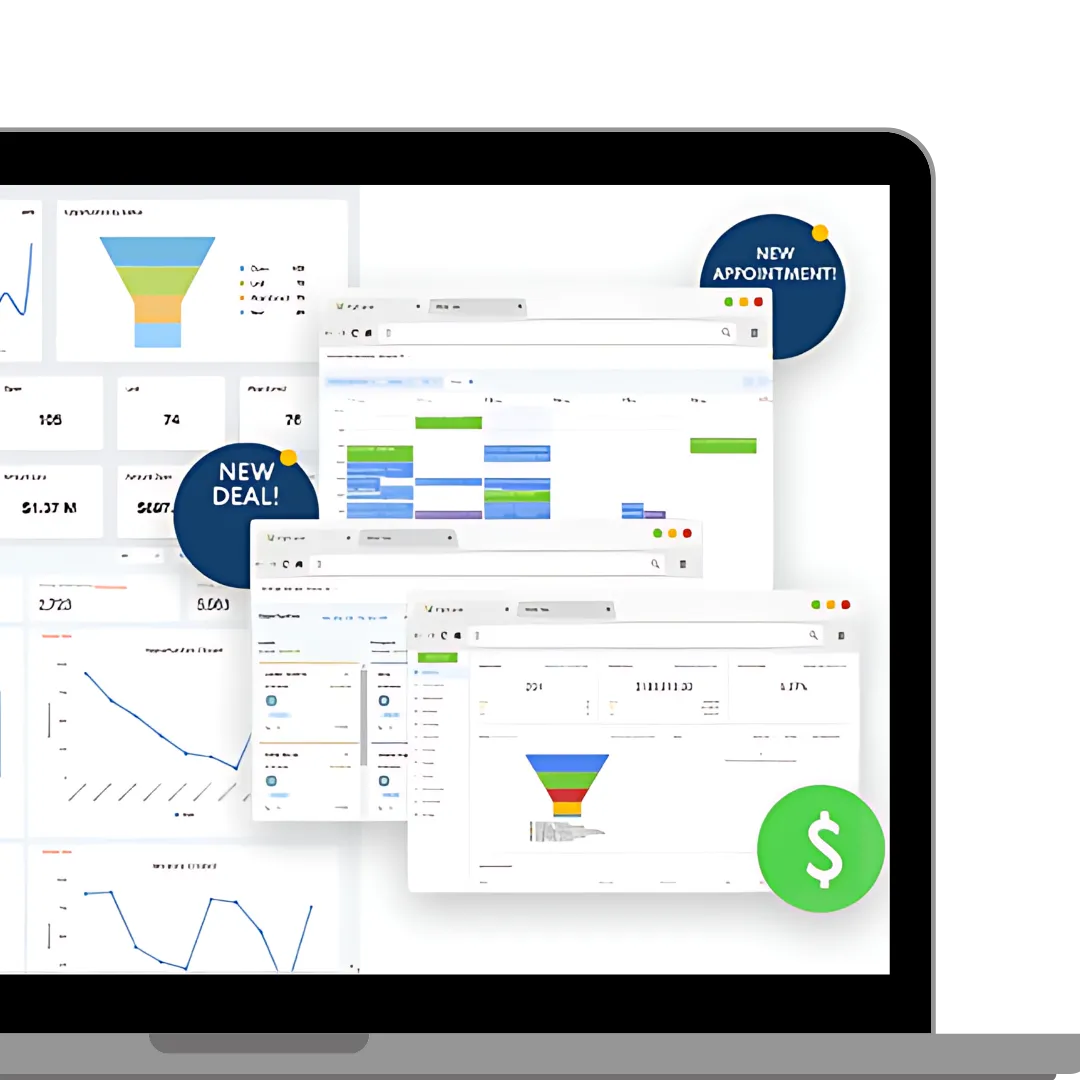
Choosing the best CRM with built‑in marketing automation helps you manage relationships in one place. These platforms combine customer data, email automation, and SMS follow‑ups. When paired with AI lead generation software for service businesses, they automatically capture inquiries, qualify leads, and send timely responses.
Privacy regulations are changing how businesses use data. The final phase of third‑party cookie deprecation and new rules like the California CPPA mean companies must rely on first‑party data marketing solutions for CPPA 2026 compliance. First‑party data is information you collect directly from customers (like email sign‑ups or purchase history) with their consent. Using this data in a CRM allows you to personalize messages while staying compliant.
Finally, adopt predictive measurement and AI-driven marketing analytics to drive ROI. Traditional marketing mix models looked backward, but AI‑powered models deliver forward‑looking insights. They help forecast which campaigns will perform best and adjust budgets on the fly. This means you spend money only on tactics that work.
Optimize for Search and Local Discovery

Small businesses need to be visible when customers search online. That starts with a strong SEO foundation. Research shows that SEO remains the cornerstone of sustainable online visibility, driving long‑term growth. It’s important to focus on high‑intent keywords, technical site health, and trustworthy backlinks. But search is evolving.
The rise of Generative Engine Optimization (GEO) vs traditional SEO strategies means your content must serve both human readers and AI‑powered answer engines. GEO doesn’t replace SEO; it expands it. AI systems favour direct answers, structured data, and authoritative sources. Publishing a content ecosystem strategy for lead generation — with a pillar page and supporting articles linked together — signals expertise and keeps visitors engaged.
Don’t neglect local search. For service providers, Google Business Profile optimization is vital. People often check your Google Business Profile (GBP) before visiting your website. Keep your GBP up to date with accurate name, address, phone number, categories, photos, and regular posts. Respond to reviews and use customer list marketing automation to retain and upsell, sending follow‑up offers to satisfied customers.
Voice search is also growing. More than half of all mobile queries are now voice‑based, often with “near me” phrasing. Optimize your site for hyperlocal voice search optimization for “near me” service queries by using natural language in your content and including local keywords (e.g., “Calgary plumbing emergency service near me”). Listing your business in local directories and ensuring your site loads quickly on mobile devices also helps.
Measure, Iterate, and Build Customer Loyalty

Digital marketing isn’t a one‑time project. You need to track results, learn, and adjust. Use analytics dashboards in your CRM and ad platforms to see which campaigns drive traffic, leads, and sales. The Deliberate Directions report notes that digital marketing’s challenge isn’t whether to invest — it’s knowing which strategies deliver measurable results. Start with one or two tactics, such as SEO and email marketing, and gradually add others as you see success.
Retention matters as much as acquisition. A strong digital strategy includes nurturing existing customers to encourage repeat purchases. Customer list marketing automation for retention and upselling uses your first‑party data to segment customers and send tailored offers. For example, after a successful repair, a home‑service company might send reminders about seasonal maintenance and a loyalty discount. Personalizing messages makes customers feel valued and more likely to return.
Finally, remember that authenticity wins over perfection. Showing your face and sharing behind‑the‑scenes videos builds trust; people want to know who they’re working with. An industry report highlights that user‑generated and authentic content outperforms polished videos. Short, simple videos of you answering common questions or demonstrating your work can be more effective than expensive ads. This builds your brand and fosters loyalty.
Conclusion
Building a winning digital marketing strategy for a small business doesn’t require a large budget. Start by understanding your audience and goals, then focus on a few high‑impact tactics. Use AI‑powered tools and AI‑powered marketing automation for small businesses to save time and personalize at scale. Optimize your content for search and local discovery, including GEO vs SEO, voice search, and GBP management. Track your results, learn from the data, and continually refine your approach. With patience and consistent effort, digital marketing can help your business grow and thrive.
Frequently Asked Questions
What is a digital marketing strategy for small businesses?
A digital marketing strategy is a plan that outlines how a business will use online channels—such as search engines, social media, email, and its website—to reach new customers and retain existing ones. It starts with understanding who your customers are and what they need. Small businesses should focus on a few key tactics at a time rather than trying to be everywhere.
How can AI‑powered marketing automation help small businesses?
AI‑powered marketing automation uses software to handle repetitive tasks like sending emails, managing customer lists, and scheduling social posts. This saves time and ensures consistent communication. AI algorithms can also analyze data to identify long‑tail keywords and suggest campaigns targeting highly specific audiences. Pairing AI tools with a CRM creates a single hub for managing leads and customer relationships.
What is the difference between GEO and traditional SEO?
Search Engine Optimization (SEO) improves your website’s chances of appearing in search results by using relevant keywords, good site structure, and high‑quality content. Generative Engine Optimization (GEO) focuses on making content that AI answer engines can use. It emphasizes clear answers, structured data, and authoritative sources. GEO supplements, not replaces, traditional SEO; you need both for the best visibility.
Why is Google Business Profile important for local businesses?
When people search for services like “plumber near me,” they often see a company’s Google Business Profile before visiting the website. An up‑to‑date profile with correct contact information, photos, and reviews builds trust and can lead to more calls and visits. Treat your GBP like a mini‑website: post updates, respond to reviews, and ensure all details are consistent across the web.
How do I choose the best CRM with built‑in marketing automation in 2026?
Look for a CRM that integrates email, SMS, and social messaging so you can manage all communications in one place. Make sure it supports automated workflows, AI-led scoring, and compliance with data privacy rules such as CPPA 2026. Test a few platforms to see which interface feels intuitive and aligns with your budget.
What are long‑tail keywords, and why should I target them?
Long‑tail keywords are specific phrases (for example, “hyperlocal voice search optimization for ‘near me’ service queries”) that indicate clear intent. They have lower search volume but higher conversion rates because they match exactly what users are looking for. AI tools can help find these phrases by analyzing search trends and user behaviour.
How do I measure the ROI of my digital marketing campaigns?
Use the analytics tools built into your CRM, advertising platforms, and website to track metrics such as clicks, leads, and sales. AI‑powered marketing analytics offer predictive insights that forecast campaign performance and suggest budget adjustments. Start small, experiment, and let data guide your decisions.
What are first‑party data marketing solutions and why do they matter for CPPA 2026 compliance?
First‑party data comes directly from your customers—emails, purchases, or website behaviour. New privacy laws, such as the CPPA, require businesses to rely on data they own with clear consent. Using first‑party data marketing solutions ensures you respect customer privacy while delivering personalized messages and offers.
How can I optimize my website for voice search and “near me” queries?
Voice searches tend to use natural language and location‑based phrases. Write content in a conversational tone and include local keywords such as “Calgary electrician near me.” Ensure your site loads quickly on mobile, and keep your Google Business Profile updated. Also, create FAQ pages that answer common questions concisely — these can appear in voice search results.
What is predictive measurement, and how can AI analytics improve marketing?
Predictive measurement uses AI models to forecast the future results of your marketing campaigns. Instead of waiting weeks to see what happened, these models use historical data and real‑time signals to predict outcomes and suggest budget adjustments. This helps small businesses make smarter decisions and achieve better ROI.


Facebook
Instagram
X
LinkedIn
Youtube
TikTok