





How to Integrate Google & Meta Ads for a Full-Funnel Lead Generation Strategy?
How to Integrate Google & Meta Ads for a Full-Funnel Lead Strategy?
Running Google Ads or Meta Ads in isolation might bring clicks—but combining them as part of a full-funnel lead generation strategy is where the magic happens. When strategically aligned, these two ad giants complement each other and drive stronger conversions across all stages of the customer journey.
In this blog, we’ll show you how to integrate both platforms for better conversion rate optimisation, using digital marketing ads agency strategies, and ensure you capture leads with precision from awareness to action.
1. Why a Full-Funnel Strategy Matters
Most campaigns focus either on awareness (Display ads, boosted posts) or direct response (Search, Lead Forms). But buyers rarely convert in a single step. According to Meta, it takes 6–8 touchpoints before a lead takes action. A full-funnel strategy maps your ads to each stage of the buyer journey:
Awareness
Consideration
Decision
Retargeting & Conversion
2. Google Ads: High-Intent Targeting Engine
Google Ads is ideal for capturing bottom-of-the-funnel, ready-to-convert leads. With tools like:
Search Ads for high-intent keywords (e.g., “digital marketing company Toronto”)
YouTube Ads for upper-funnel engagement
Display Network to retarget previous visitors
Google’s AI now integrates conversion rate optimisation signals like engagement time and past behavior for smarter bidding .
3. Meta Ads: Visual Storytelling & Broad Reach
Meta’s ecosystem (Facebook + Instagram) is powerful for top- and mid-funnel awareness campaigns:
Video and carousel ads introduce offers visually
Lookalike audiences expand reach
Lead ads collect emails and phone numbers without a landing page
You can run campaigns based on engagement, video views, or intent, then retarget warm users—perfect for social media for marketing agencies aiming for brand visibility.
4. Define Your Funnel Stages
Your integrated campaign should align with these four core funnel stages:
Funnel Stage ...........>Google Ads..................>Meta Ads
Awareness..............> YouTube, Display..............>Video, Carousel, Stories
Consideration..............> GDN Retargeting, Search..............> Lead Ads, Traffic Ads
Decision..............> Search Ads + Extensions ..............>Conversion + Offer Ads
Re-Engagement..............> RLSA, Customer Match ..............>Retargeting via Engagement
5. Match Creative to Funnel Intent
Use different messaging per stage:
Top of Funnel (ToFu): Focus on brand awareness & pain points
Middle of Funnel (MoFu): Educate and offer value (e.g., eBook, quiz, webinar)
Bottom of Funnel (BoFu): Push offers, urgency, and call scheduling
For example, if you're a digital marketing agency in Toronto, your ToFu ads might highlight success stories, while BoFu ads use location-based search intent.
6. Sync Retargeting Audiences Across Platforms
One of the most powerful strategies is cross-platform retargeting:
Meta to Google: Show YouTube ads to people who engaged with Instagram videos
Google to Meta: Retarget website visitors or lead form abandoners with Facebook offers
Use Meta’s Custom Audiences and Google’s Customer Match to sync your data across both platforms.
7. Use Lead Forms + Landing Pages Strategically
Use Meta Lead Ads for volume + mobile-friendliness
Use Google Search Ads + landing pages for intent-based conversion
Platforms like LeadMagno or Go High Level allow real-time syncing of form submissions into your CRM, enabling faster response and conversion rate optimisation.
8. Automate Follow-Ups with CRM Integration
No funnel works without fast follow-up. Studies show leads contacted within 5 minutes are 8x more likely to convert (LeadHero).
CRMs like:
...all support automation sequences triggered by Google or Meta leads. This is essential for agency digital marketing workflows.
9. Budget Allocation: Balance Brand & Demand
Split your budget strategically:
60% on Google Search & Meta Lead Ads (BOFU)
25% on Retargeting (Google Display + Meta)
15% on Brand Awareness (YouTube + Instagram Video)
Adjust based on data weekly—track CPL, ROAS, and lead quality. A conversion rate optimisation agency can help fine-tune this process.
10. Measure and Optimize Cross-Channel
Set up tracking with:
UTM parameters for cross-platform consistency
Google Tag Manager + Meta Pixel
CRM Attribution Reports
Key KPIs:
Cost per lead (CPL)
Lead to appointment rate
Conversion rate
Return on ad spend (ROAS)
Use this data to optimize creative, targeting, and placement. Agencies looking to become the best digital marketing ads agency rely on this data discipline.
11. Avoid These Common Integration Mistakes
❌ Running Google & Meta in silos
❌ Using the same creative across all funnel stages
❌ Delayed follow-up or no CRM integration
❌ No retargeting across platforms
❌ Ignoring landing page UX & load time
Solving these requires not just tools—but systems and strategy.
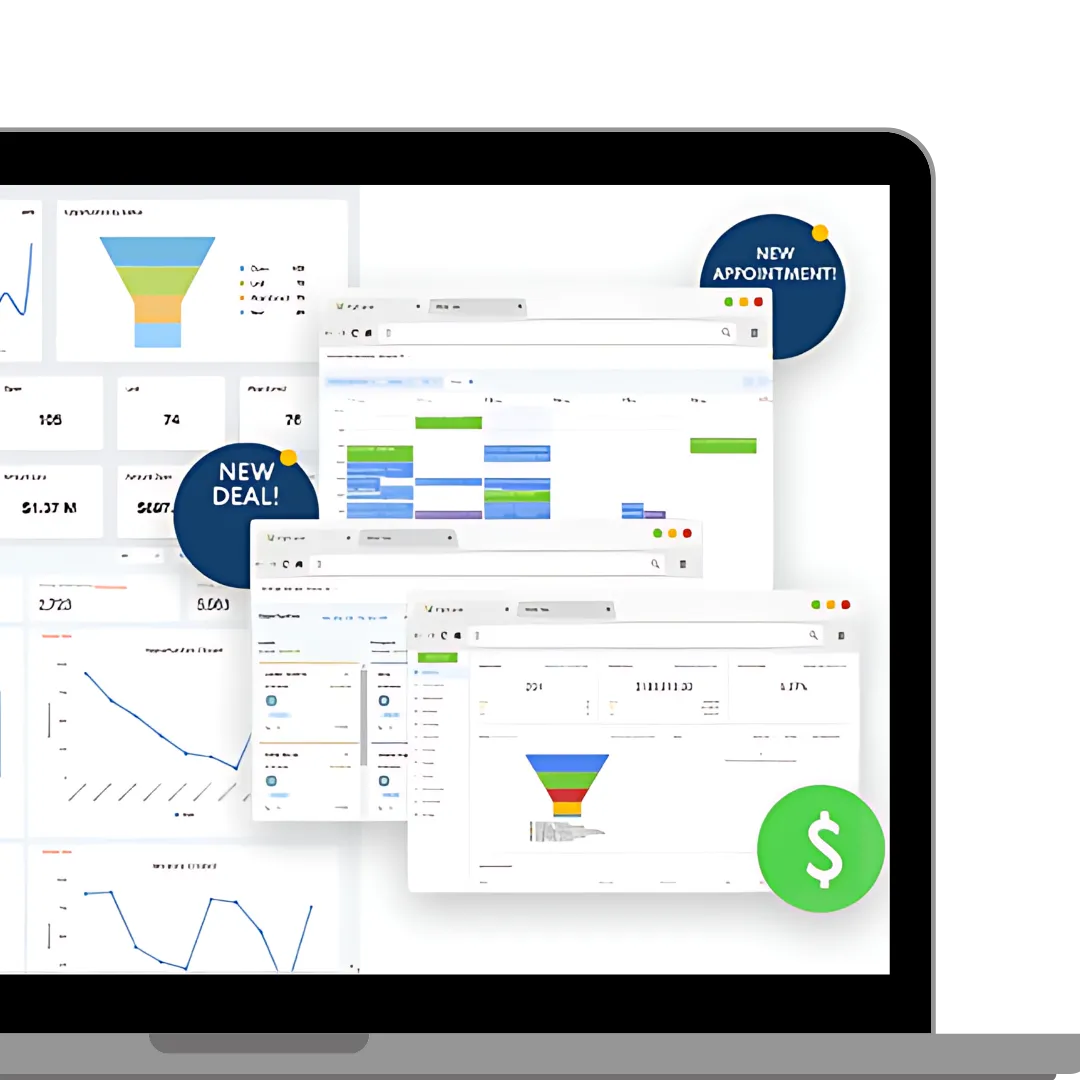
12. LeadMagno: Your All-in-One Funnel Automation Engine
LeadMagno makes full-funnel automation simple:
✅ Captures Google & Meta leads in real-time
✅ Triggers automated email/SMS/voice follow-ups
✅ Scores & routes leads to your team
✅ Tracks campaign ROI in one place
✅ Integrates with all major CRMs
It’s the ultimate solution for agencies and businesses focused on conversion rate optimisation and lead gen performance.
Final Thoughts
A truly successful campaign uses Google and Meta Ads in harmony—matching ad type, creative, and automation to every stage of the buyer’s journey. Whether you’re a social marketing agency, a search engine optimization agency, or a local business, combining intent + awareness channels gives you both reach and results.
Ready to Build Your Integrated Funnel?
Let LeadMagno design your full-funnel Google & Meta strategy with built-in automation, lead nurturing, and real-time reporting.


Facebook
Instagram
X
LinkedIn
Youtube
TikTok