






Optimize Post-Form Process for Lead Conversion
Marketing Automation, Website Lead Capture
What Happens After Someone Fills Out Your Website Form?
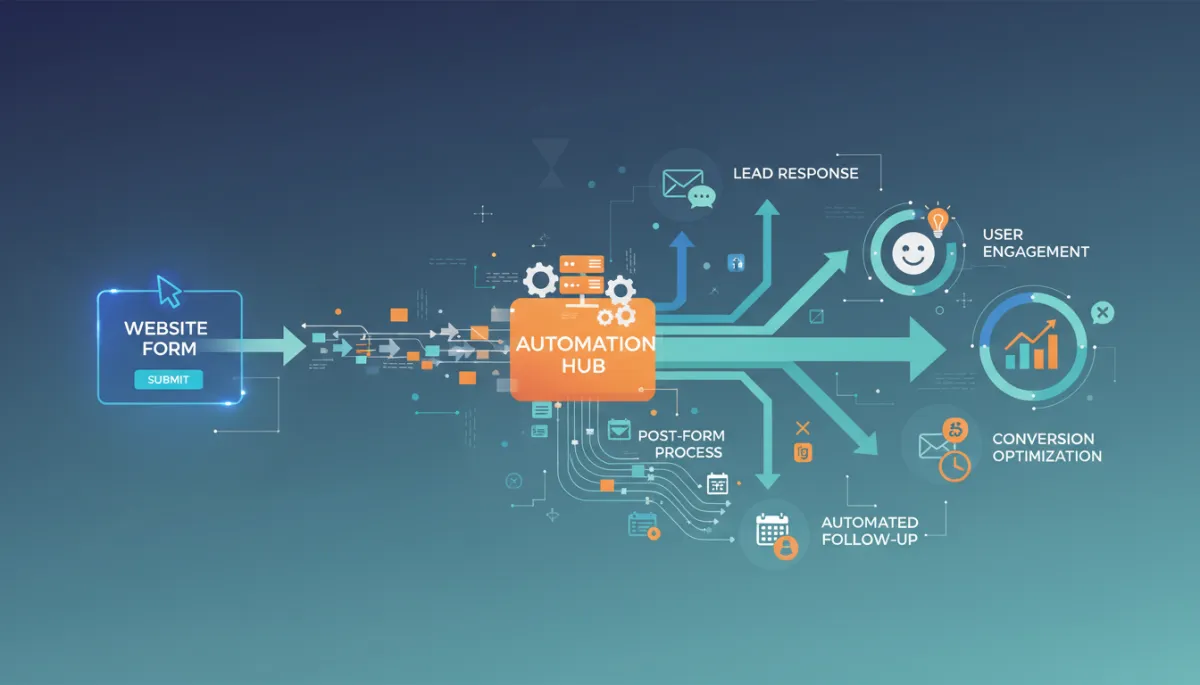
When a visitor finally trusts you enough to submit a form, the clock starts ticking. What happens in the next few minutes can determine whether that click turns into a customer—or disappears as another lost opportunity. Understanding the full post-form process is essential if you want your website lead capture to drive revenue, not just consistently collect email addresses.
Executive Diagnostic: What Happens After Someone Submits Your Form?
Ask yourself:
Does every website inquiry receive a response within five minutes?
Is every form automatically added to your CRM?
Are leads automatically assigned to the correct salesperson?
Do follow-up emails and SMS begin without manual effort?
Can you track which forms generate appointments and revenue?
📌 Key Takeaway: If you answered "no" to most of these questions, your website is collecting leads—but your follow-up process is costing you customers.
Step 1: From Click to Contact — Website Lead Capture Done Right
The journey starts with effective website lead capture. Your form should do more than ask for a name and email. It should gather just enough context—such as service interests, budget range, or location—to help you prioritize and personalize your next move. If your forms are an afterthought, you are likely leaving money on the table before the conversation even begins.
Strategic forms work best when they align with a clear offer and funnel. That might be a digital consultancy session, a downloadable resource built from a strong content marketing strategy, or a social campaign powered by consistent social media marketing. The clearer the promise, the more qualified the lead you capture.
Website Lead Capture Framework
Every successful website inquiry should follow a structured customer journey:
Website Visitor
↓
Form Submission
↓
CRM Capture
↓
Instant Confirmation
↓
Automated Follow-Up
↓
Sales Qualification
↓
Appointment Booking
↓
Proposal
↓
Customer
📌 Key Takeaway: Every missing step creates friction that reduces conversion rates and increases lost opportunities.
Step 2: Form Automation — What Should Happen Instantly
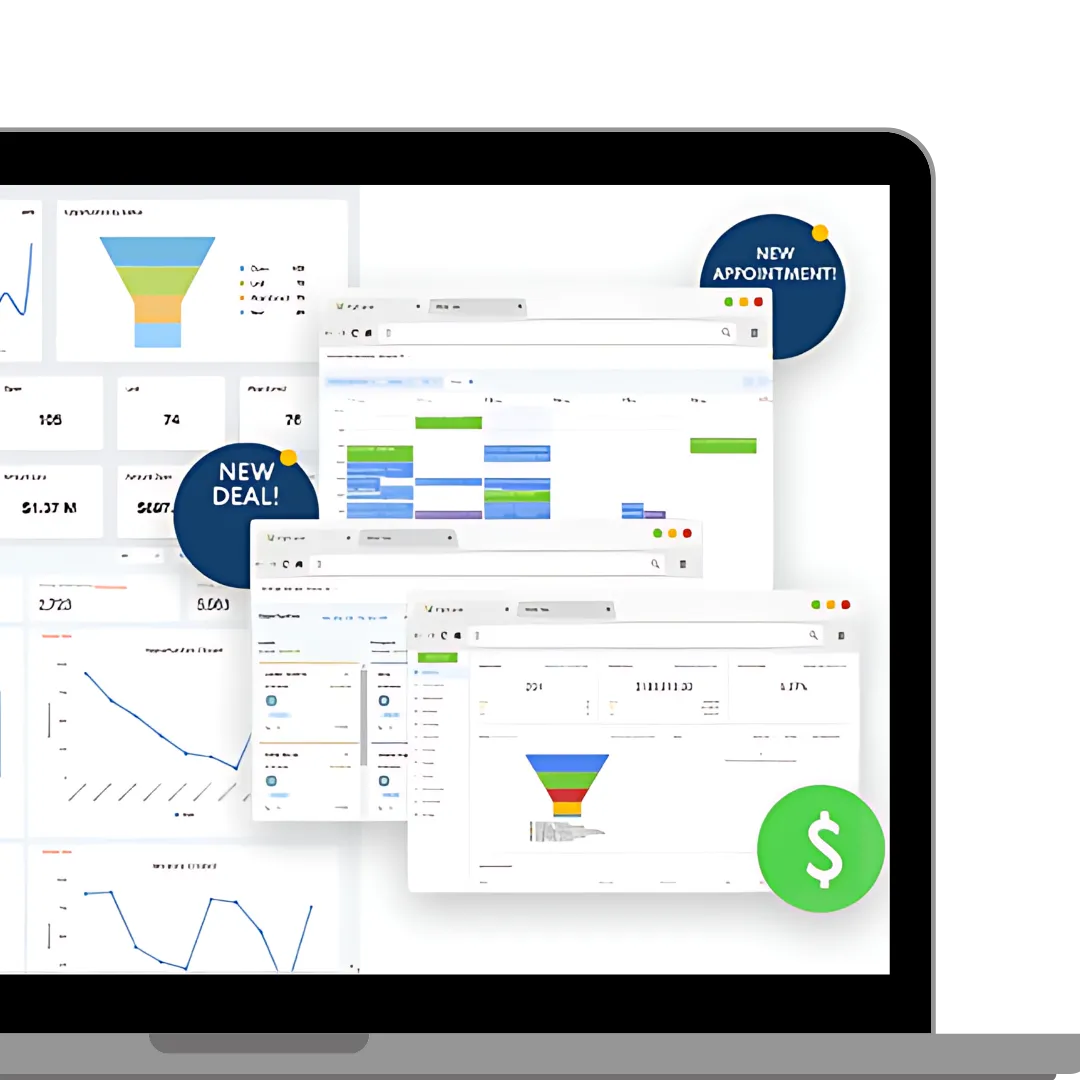
Once the form is submitted, form automation takes over. At this stage, delays kill momentum. A modern platform like LeadMagno connects your forms directly to your CRM, so every submission becomes a structured contact record—tagged, segmented, and ready for nurturing in seconds, not hours.
Automatically create or update the contact in your database
Trigger internal notifications for your team by email, SMS, or app
Start an automated follow-up workflow tailored to that form
Tools such as MagnoPro and all-in-one systems built on HighLevel make this seamless. Whether you prefer a monthly plan, an annual subscription, a SaaS upgrade, or a pro trial, the goal is the same: no manual copying, no lost leads, no guesswork.
Step 3: Lead Response — Speed Is Your Competitive Edge
The first few minutes after a form submission are critical. Research consistently shows that faster lead response dramatically increases your chances of booking a meeting or closing a sale. Yet many businesses still wait hours—or days—to reply, by which time the lead has moved on or chosen a competitor.
💡 Pro Tip: Aim to respond within 5–15 minutes during business hours. Let automation handle the first touch, then follow up personally.
With LeadMagno, you can send an instant confirmation email or SMS, notify your sales team, and even route high-intent leads directly to a booking page —such as this free demo scheduler or a tailored marketing strategy session calendar—resulting in less friction, more conversations, and higher close rates.
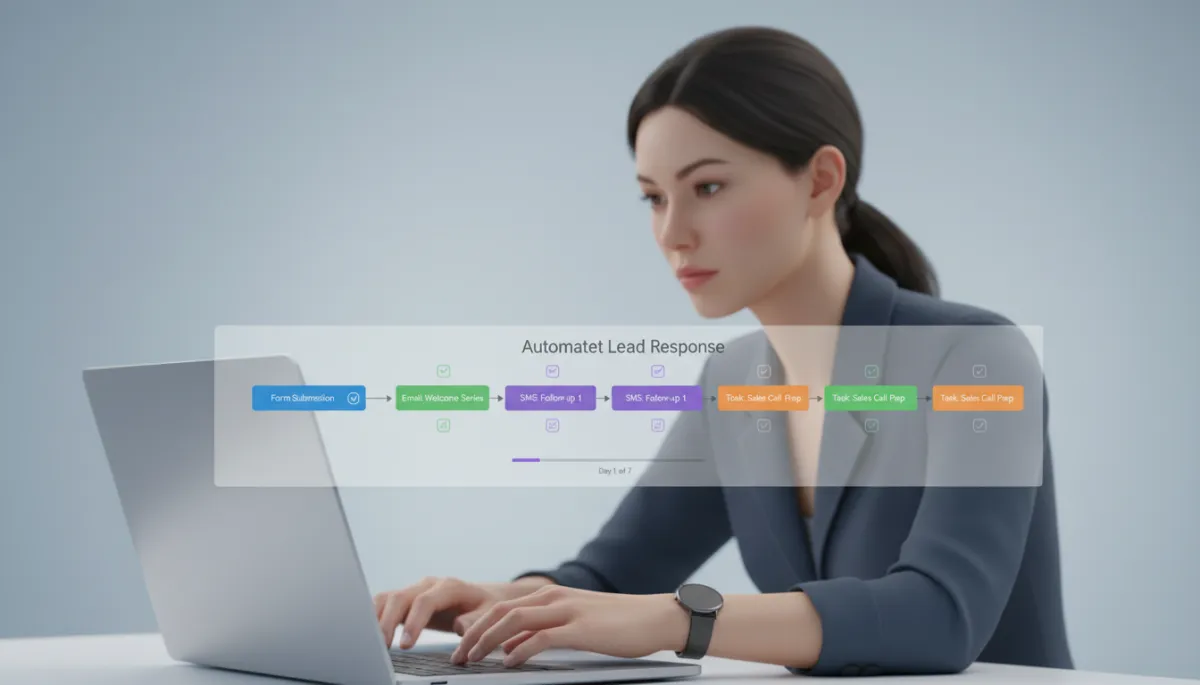
A clear lead response timeline keeps every new inquiry moving toward a decision.
Contrarian Insight: More Website Traffic Won't Solve Poor Follow-Up
Many businesses believe they need more website visitors.
In reality, they often already generate enough leads.
The real issue is what happens after someone submits the form.
Increasing advertising spend without improving your follow-up process usually results in wasted marketing dollars rather than increased revenue.
📌 Strategic Takeaway: Optimize your post-form process before investing more money into traffic generation.
Step 4: User Engagement and Automated Follow-Up
Not every lead is ready to buy today. That is where intentional user engagement and smart automated follow-up come in. Instead of sending a single "Thanks, we'll be in touch" email, build a short nurture sequence that educates, reassures, and invites action over several days or weeks.
Share helpful articles and resources based on their interest (for example, a content strategy guide)
Offer case studies or proof, such as a local visibility operating system success story
Use AI-powered personalization, like HighLevel AI tools, to tailor messaging and timing.
LeadMagno's automation engine—built on proven frameworks and training such as the HighLevel Bootcamp and advanced upgrade programs—lets you map out these touchpoints once and then run them on autopilot. Every email, text, and reminder is designed to move the lead one step closer to booking a call or requesting a proposal.
Real-World Example: Professional Services Firm
A Calgary-based consulting firm generated dozens of website inquiries each month.
Before automation:
Responses depended on staff availability.
Many inquiries waited hours before receiving a reply.
Appointment bookings remained inconsistent.
After implementing LeadMagno:
Every form submission triggered an instant SMS and email.
Leads were automatically assigned to the correct advisor.
Appointment reminders reduced no-shows.
Every inquiry was tracked from submission to sale.
📌 Key Takeaway: Better follow-up often produces greater ROI than generating additional traffic.
Step 5: Conversion Optimization Across the Post-Form Process
Effective conversion optimization does not stop at the form itself. You should be tracking how leads behave after they submit: Do they open your emails? Click through to your offers? Book calls? Reply to your messages? This is where an integrated marketing CRM like LeadMagno shines, giving you a single dashboard to track the entire journey from first click to client.
By reviewing your post-form process regularly, you can test new subject lines, adjust your timing, refine your offers, and even add training for your team. Many Canadian businesses work with LeadMagno to optimize their post-form workflows, reduce response times, and improve lead conversion through automation.
Website Lead Capture Metrics That Matter
Measure the effectiveness of your post-form process by tracking:
Form Conversion Rate
Speed-to-Lead
Appointment Booking Rate
Email Open Rate
SMS Response Rate
Lead-to-Customer Conversion Rate
Cost Per Lead
Revenue Per Lead
Marketing ROI
📌 Key Takeaway: Website forms should be measured by the revenue they generate—not simply by the number of submissions they receive.
Bring It All Together with LeadMagno
Future Outlook: AI Will Make Website Lead Capture Even Smarter
Over the next several years, AI-powered CRM platforms will transform what happens after a visitor submits a form.
Future systems will automatically:
Predict buying intent
Personalize follow-up messages
Recommend the next best action
Qualify leads before a salesperson becomes involved
Forecast conversion probability
Businesses that automate their post-form process today will be well positioned to take advantage of these AI-driven capabilities.
Frequently Asked Questions
What is website lead capture?
Website lead capture is the process of turning anonymous website visitors into identifiable contacts—typically by collecting their information through forms, pop-ups, or landing pages so you can follow up and nurture them into customers.
What should happen after someone submits a website form?
Their information should be captured in your CRM; they should receive an instant confirmation; your team should be notified; and an automated follow-up sequence should begin to move them toward a conversation or appointment.
Why is a fast lead response important?
Responding within minutes keeps you top of mind, demonstrates professionalism, and significantly increases the likelihood that the lead will book a meeting with you rather than a competitor.
What is form automation?
Form automation uses software to instantly route submissions into your CRM, trigger notifications, start follow-up workflows, and assign leads—without manual data entry or delays.
How quickly should I respond to website inquiries?
Aim to respond within 5–15 minutes during business hours. Faster responses consistently lead to higher appointment and close rates.
Can LeadMagno automate website follow-ups?
Yes. LeadMagno can automatically capture form submissions, send confirmation messages, launch email and SMS sequences, assign leads, and track every interaction from first inquiry to closed customer.
How do I improve website lead conversion?
Tighten each step of your post-form process: simplify forms, speed up responses, automate follow-ups, personalize messaging, and measure key metrics like appointment rate and revenue per lead.
When someone fills out your website form, it should trigger more than an email notification. It should activate a complete, well-designed journey—from website lead capture to form automation, rapid lead response, ongoing user engagement, data-driven conversion optimization, and reliable automated follow-up.
LeadMagno was built to give Canadian small and medium-sized businesses exactly that: a single, streamlined system that works as hard as you do. If you are ready to stop losing leads, simplify your tech stack, and turn more form submissions into paying clients, book a free demo today and see how a smarter post-form process can transform your growth.


Facebook
Instagram
X
LinkedIn
Youtube
TikTok